UpVizol
UpVizol capsules review: manufacturer claims, listed ingredients, usage, limits, and where to buy information. Price shown: 59 USD.
UpVizol is a food supplement in capsule form, listed in the Eyesight category. It is marketed for people interested in an eye-focused supplement containing plant extracts, carotenoids, and chia seed powder; it is not a medicine.
Strengths
- The formula combines several recognisable plant-derived ingredients with lutein and zeaxanthin.
- The stated intake schedule is clear and simple: one capsule twice daily.
- The page provides a transparent listed price of 59 USD.
- The product is clearly presented as a food supplement rather than a medicine.
Weaknesses
- No independent clinical studies on this specific product are provided in the supplied information.
- The efficacy claims come from the manufacturer and are not independently confirmed here.
- Ingredient amounts, extract ratios, and standardisation details are not disclosed.
- The exact identity and nutritional role of the listed munya extract are not disclosed.
- A supplement cannot replace an eye examination, prescribed glasses, contact lenses, or medical treatment.
Our assessment
«According to the manufacturer, UpVizol increases visual acuity and the clarity of sight.» — Manufacturer statement
UpVizol combines ingredients that are often associated with nutrition and eye-health discussions, especially lutein, zeaxanthin, carrot-derived carotenoids, and bilberry. That background makes the formula understandable as a dietary supplement, but it does not validate every claim made for the finished product. The supplied information contains no product-specific trial results, dosage data, independent assessment, or evidence that the capsules increase visual acuity, correct refractive errors, or prevent eye disease. Those statements should therefore be read as manufacturer claims rather than established outcomes.
The realistic role of such a formula is narrower than the headline suggests. Lutein and zeaxanthin are nutrients found in the eye and are studied in relation to macular pigment and long-term eye health. Carrots are well known for carotenoid content, while bilberry, moringa, chamomile, and chia are discussed for various nutritional or traditional uses. However, the effect of an ingredient depends on its amount, quality, absorption, the person’s nutritional status, and the underlying cause of a visual complaint. The product cannot replace an eye examination, corrective lenses, treatment for myopia or astigmatism, or care for symptoms such as sudden vision loss, pain, flashes, or a marked change in sight.
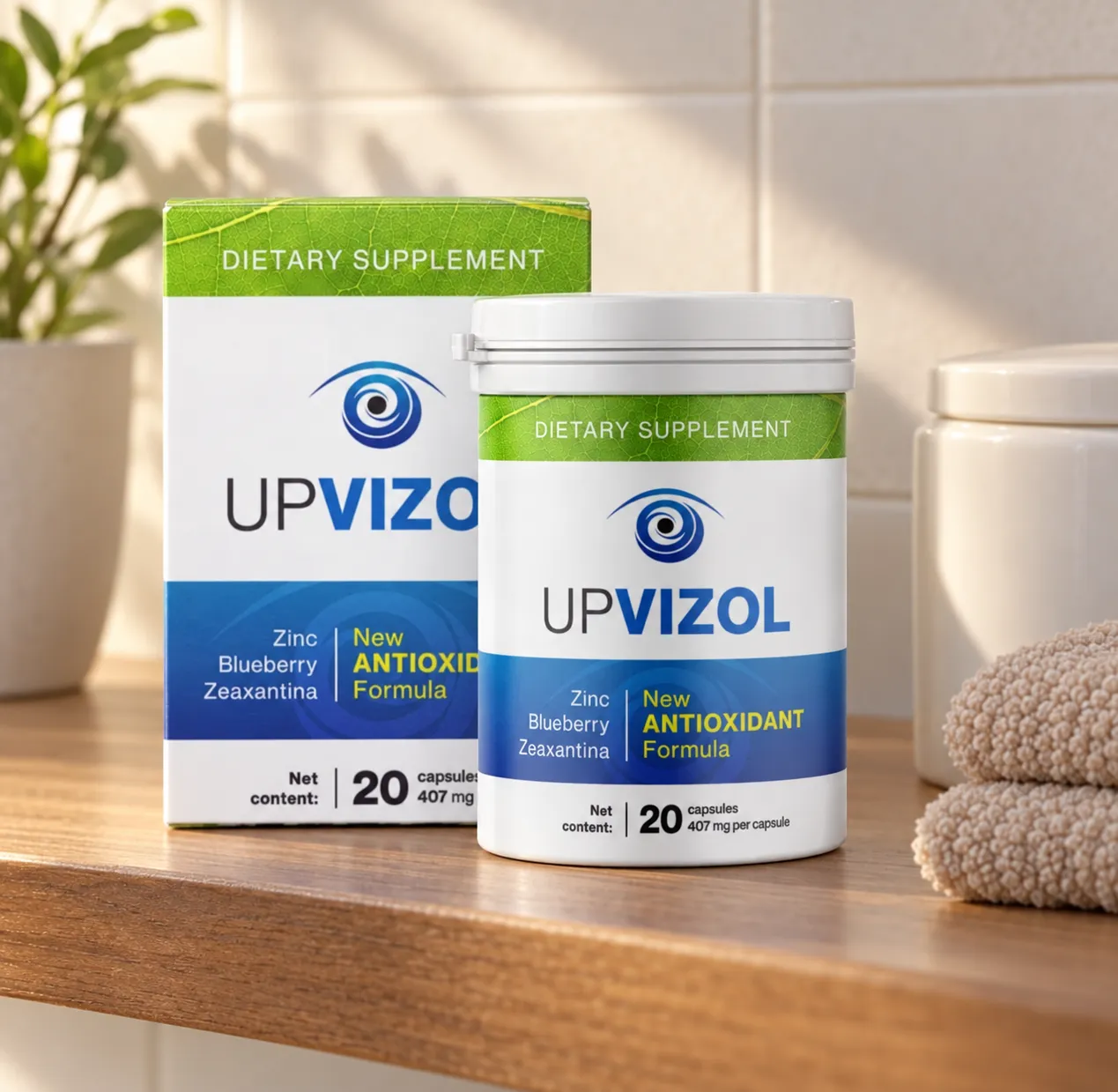
Composition
- Chia seed powder
- Chamomile
- Zeaxanthin and lutein
- Moringa extract
- Munya extract
- Carrot extract
- Bilberry extract
- Chia seed powderChia seeds are generally known as a source of dietary fibre, plant protein, and fatty acids. Their presence in a supplement does not by itself establish a specific effect on eyesight or prove a product-specific benefit.
- ChamomileChamomile is traditionally discussed for its calming and soothing properties and is commonly used in herbal products. These general uses should not be interpreted as evidence that this product treats eye fatigue or any eye condition.
- Zeaxanthin and luteinLutein and zeaxanthin are carotenoid pigments found in foods and naturally present in tissues of the eye, including the macular region. They are commonly discussed in nutrition and eye-health research, but the supplied information does not disclose their
- Moringa extractMoringa leaves and extracts are generally discussed as sources of plant compounds and nutrients, including antioxidant compounds. The exact extract specifications and quantity in UpVizol are not disclosed.
- Munya extractMunya extract is listed in the composition, but the supplied information does not disclose the exact botanical identity, standardisation, or generally recognised nutritional role of this ingredient. Its quantity in the product is also not disclosed.
- Carrot extractCarrots are generally known for carotenoids such as beta-carotene, which the body can convert to vitamin A. Vitamin A has an established role in normal vision, but the composition does not state the extract amount or vitamin A content of this product.
- Bilberry extractBilberry is commonly discussed as a source of anthocyanins and other plant polyphenols. It is often included in products marketed for circulation or eye health, but general ingredient interest is not proof of a clinically meaningful effect from UpVizol.
How to use it
The manufacturer’s stated intake is one capsule with a glass of water twice a day, in the morning and at night, during or after meals. The recommended course is at least four weeks. Readers should follow the manufacturer's package insert and should not exceed the stated intake.
Background: understanding Eyesight
Eyesight depends on a coordinated optical and nervous system. Light enters through the cornea and lens, is focused onto the retina, and is converted into nerve signals that travel through the optic nerve to the brain. Clear vision can be affected when the eye’s shape or focusing power causes light to land in front of or behind the retina, as in myopia or hyperopia. Astigmatism usually results from uneven curvature of the cornea or lens. These refractive errors are commonly managed with glasses, contact lenses, or, for suitable people, specialist procedures.
Age, genetics, general health, nutrition, medication, eye strain, lighting, screen habits, sleep, and environmental exposure can all influence how people experience their vision. Digital screen use may contribute to temporary dryness, blurred vision, or discomfort, although it does not by itself explain every visual symptom. Regular eye examinations are important because some eye conditions develop gradually and may not cause obvious early symptoms. Sudden changes in vision, severe pain, flashes, a curtain-like shadow, or significant redness require prompt professional attention.
A balanced diet that includes vegetables, fruit, whole grains, and sources of healthy fats contributes to general nutritional health. Certain nutrients are relevant to normal visual function, but supplements are not universally necessary and cannot correct every cause of reduced vision. The value of any supplement depends on its formulation, dose, quality, and the individual’s needs; food supplements should be considered alongside, not instead of, evidence-based eye care.
Who is this product for?
Worth a look for
- Adults looking for an eye-focused food supplement in capsule form.
- People interested in a formula containing lutein, zeaxanthin, and plant extracts.
- Readers willing to assess manufacturer claims cautiously rather than expect a guaranteed visual change.
- Consumers who want to compare a listed price of 59 USD with other supplement options.
Rather not suited for
- People seeking a proven treatment or correction for myopia, astigmatism, or another diagnosed eye condition.
- Anyone with sudden vision loss, eye pain, flashes, a curtain-like shadow, or other urgent symptoms should seek medical care first.
- People who need disclosed ingredient amounts or independent product studies before choosing a supplement.
- Anyone who has been advised by a doctor or pharmacist to check supplement safety because of a health condition, pregnancy, or medication use.
Reviews: what to look out for
When reading user reviews of eye supplements, look for specific and realistic descriptions rather than dramatic promises. Useful details include how long the product was used, whether the reviewer had a diagnosed eye issue, whether professional measurements changed, and whether any unwanted effects were reported. A subjective feeling of less tired eyes is not the same as a measured improvement in visual acuity, and online reviews cannot establish that a product prevents myopia, astigmatism, or other pathology.
Readers should also consider whether reviews are verified, whether incentives or affiliate relationships are disclosed, and whether several independent experiences show a consistent pattern. Individual testimonials may reflect changes in sleep, screen time, hydration, lighting, glasses use, or expectation rather than the supplement itself. No testimonials or independent product results are supplied for UpVizol here, so reviews should be treated as personal accounts, not clinical evidence.
Frequently asked questions
What is UpVizol?
UpVizol is a food supplement in capsule form in the Eyesight category. According to the manufacturer, it is intended to increase visual acuity and clarity, relieve eye fatigue, and help prevent myopia, astigmatism, and other pathologies.
What ingredients are listed in UpVizol?
The listed composition is chia seed powder, chamomile, zeaxanthin and lutein, moringa extract, munya extract, carrot extract, and bilberry extract. The amounts and detailed extract specifications are not disclosed in the supplied information.
How is UpVizol taken?
The stated intake is one capsule with a glass of water twice daily, in the morning and at night, during or after meals. The recommended course is at least four weeks. The manufacturer's package insert should also be followed.
Is UpVizol a medicine?
No. UpVizol is presented as a food supplement, not a medicine. It should not be used as a substitute for an eye examination, prescription treatment, glasses, contact lenses, or medical advice.
Can UpVizol correct myopia or astigmatism?
The manufacturer claims that it helps prevent myopia, astigmatism, and other pathologies, but the supplied information does not establish that UpVizol corrects refractive errors or treats eye disease. Myopia and astigmatism should be assessed by an eye-care professional.
Are the claims about UpVizol independently proven?
No independent studies on this specific product are provided in the available information. The claims should therefore be understood as manufacturer claims, and expectations should remain realistic.
How much does UpVizol cost?
The price shown on this page is 59 USD. Other vendor terms are not included in the supplied information.
Editorial verdict
UpVizol may be worth a look for adults who want to review a capsule supplement containing lutein, zeaxanthin, plant extracts, and chia seed powder, and who understand that the evidence presented here is limited to manufacturer claims. It is not a strong choice for anyone seeking a proven way to improve eyesight, reverse myopia or astigmatism, prevent a diagnosed eye condition, or replace professional assessment. The undisclosed ingredient amounts and lack of independent product studies are important limitations.
🛒Where can you buy UpVizol?
You can order UpVizol online only directly from the manufacturer via the official vendor page — that is the only way the current price and the original guarantee apply.
The product is usually not stocked in local pharmacies or drugstores; check the current price and availability with the vendor.
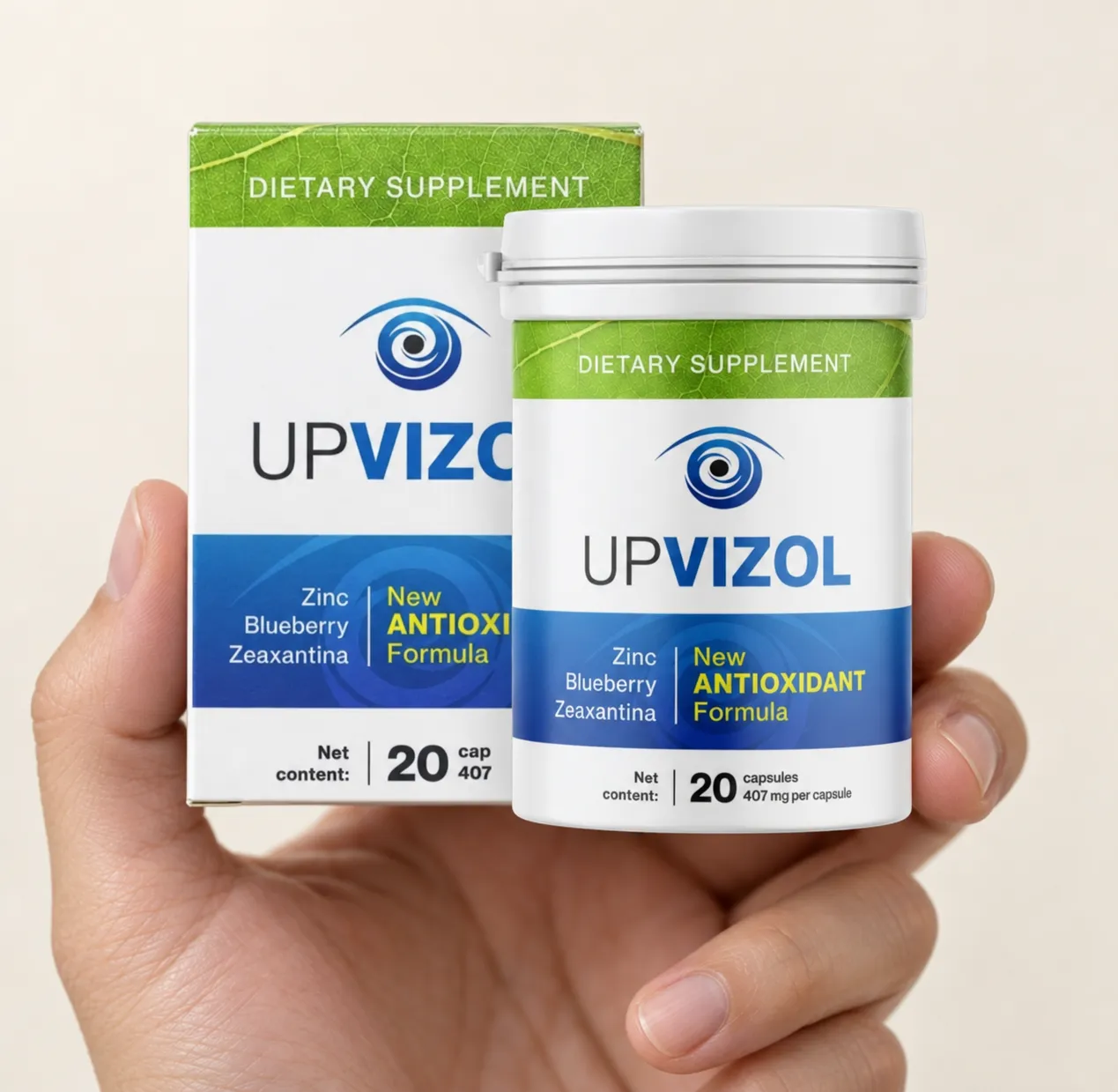 Check availability
More products
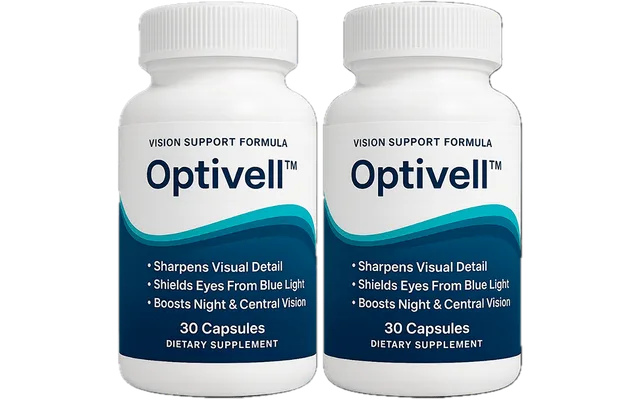 OptivellEyesight · Check the price
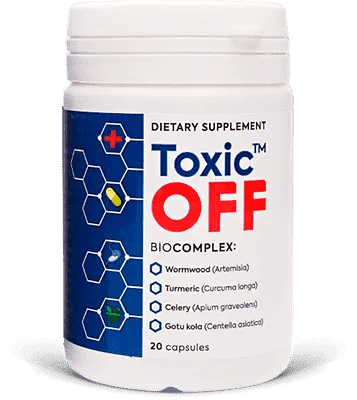 Toxic OFFGeneral health · USD59
 OmnilarJoints · USD59
Food supplements are not a substitute for a balanced diet or medical advice. If you have health concerns, please consult a doctor.
All products in «Wellness Shop»
Advertising/affiliate notice: this article contains a partner link. We may earn a commission on purchases made through it.