Redefining Menopause: A Holistic Strategy for Long-Term Wellness
According to LMH Health in Lawrence, Kansas, a forthcoming “Menopause Unmasked” community panel will frame menopause as a longer health transition rather than a short episode defined only by hot flashes.
Miranda Hendrix·updated September 17, 2026
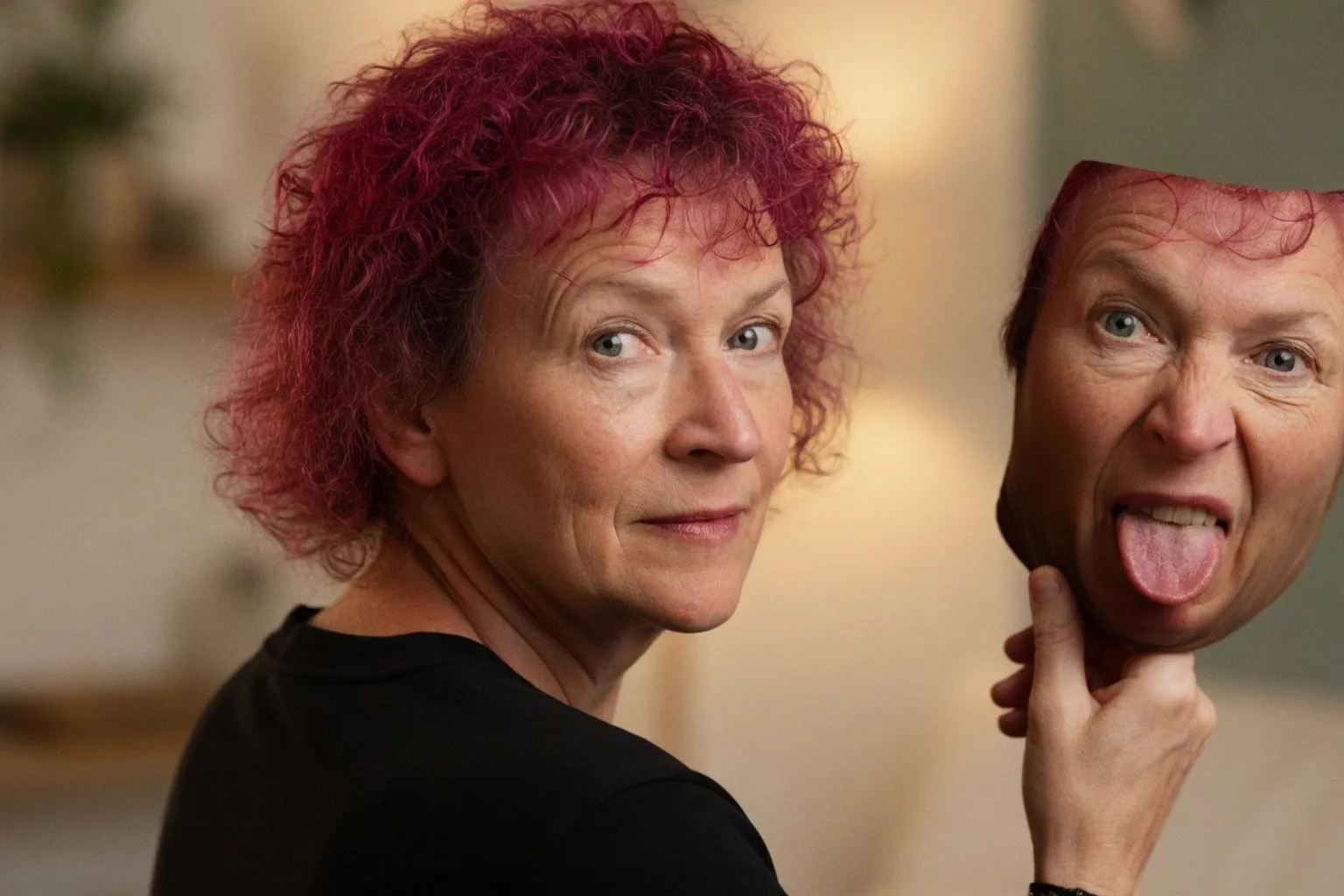
The Sept. 29 event, presented with Lawrence Public Library, will bring together perspectives from obstetrics and gynecology, mental health, nutrition and primary care. For patients, the practical message is clear: symptom relief and long-term health need to be considered together, with care adjusted over time.
Menopause is a transition, not a single appointment
LMH Health describes menopause as one point in time: 12 consecutive months without a menstrual period. The symptoms many women notice, however, can begin years earlier during perimenopause, while concerns involving bone, heart, metabolic and other aspects of health may remain relevant for years afterward.
That timeline changes the conversation. A new sleep problem, persistent fatigue or difficulty concentrating may appear before periods stop. Later, the balance of care may shift again. A plan that fits one stage may not be the right foundation for the next.
I often find that this is where a whole-health approach becomes useful. Think of the body less like a light switch and more like a household system whose settings change gradually. Hormonal fluctuations may affect several rooms at once: sleep, mood, cognition, energy and physical comfort. Addressing only the most visible symptom can leave the rest of the system unsupported.
LMH Health notes that personalized treatment options may help relieve symptoms and protect long-term health. Menopausal hormone therapy, sometimes called hormone replacement therapy, may be appropriate for some women before periods stop and may be used alongside conventional contraception. The source emphasizes that suitability depends on the individual’s concerns, health history, long-term goals and family history.
Symptoms deserve assessment, not dismissal
The less visible effects of perimenopause can include new or worsening anxiety, irritability, low mood, trouble concentrating and disrupted sleep. These issues may reinforce one another: poor sleep can make daytime concentration and stress management more difficult.
At the same time, LMH Health cautions against assuming that every new symptom is caused by menopause. Mood changes should not automatically be attributed to hormones when they persist or interfere with daily life. Fatigue, joint pain, hair loss and “brain fog” can also have other causes and may require a broader evaluation.
That distinction matters for patients considering both conventional and naturopathic support. A food-first plan, botanical strategy or lifestyle adjustment should sit within a clear assessment of what is happening, rather than replacing the process of finding out. The first step is to document the pattern: when symptoms began, how they affect sleep and daily function, and whether they are changing over time.
The care plan should keep evolving
The central clinical point from LMH Health is regular re-evaluation. What someone needs at 45 may differ substantially from what they need at 55, making menopause a continuum of care rather than a one-time fix.
For patients, a practical sequence is straightforward:
1. Bring persistent or disruptive symptoms to a qualified care team before waiting for menopause to occur.
2. Separate symptoms that may be hormone-related from those that deserve additional investigation.
3. Discuss treatment options in the context of personal and family health history.
4. Reassess the plan as symptoms, goals and health needs change.
The broader research landscape is also moving toward more individualized care. Michigan State University researchers have received an initial $4.6 million NIH grant to develop computational models of female hormone fluctuations across menstrual cycles, pregnancy and menopause. The initiative aims to integrate organ-level endocrine dynamics to support more personalized clinical medicine and therapeutic interventions.
For now, the most useful shift is practical: treat menopause as a changing rhythm that deserves ongoing attention. Hot flashes may bring someone into care, but the foundation of that care is wider—sleep, mood, cognition, nutrition, physical symptoms and long-term goals reviewed together.