UVA Launches MOSAIC Platform to Map Gut Microbiome and Female Hormone Interactions
University of Virginia researchers have secured the first $4 million tranche of a National Institutes of Health award valued at up to $12 million to build MOSAIC, an open-source computational…
Clayton Blanchard·updated September 18, 2026
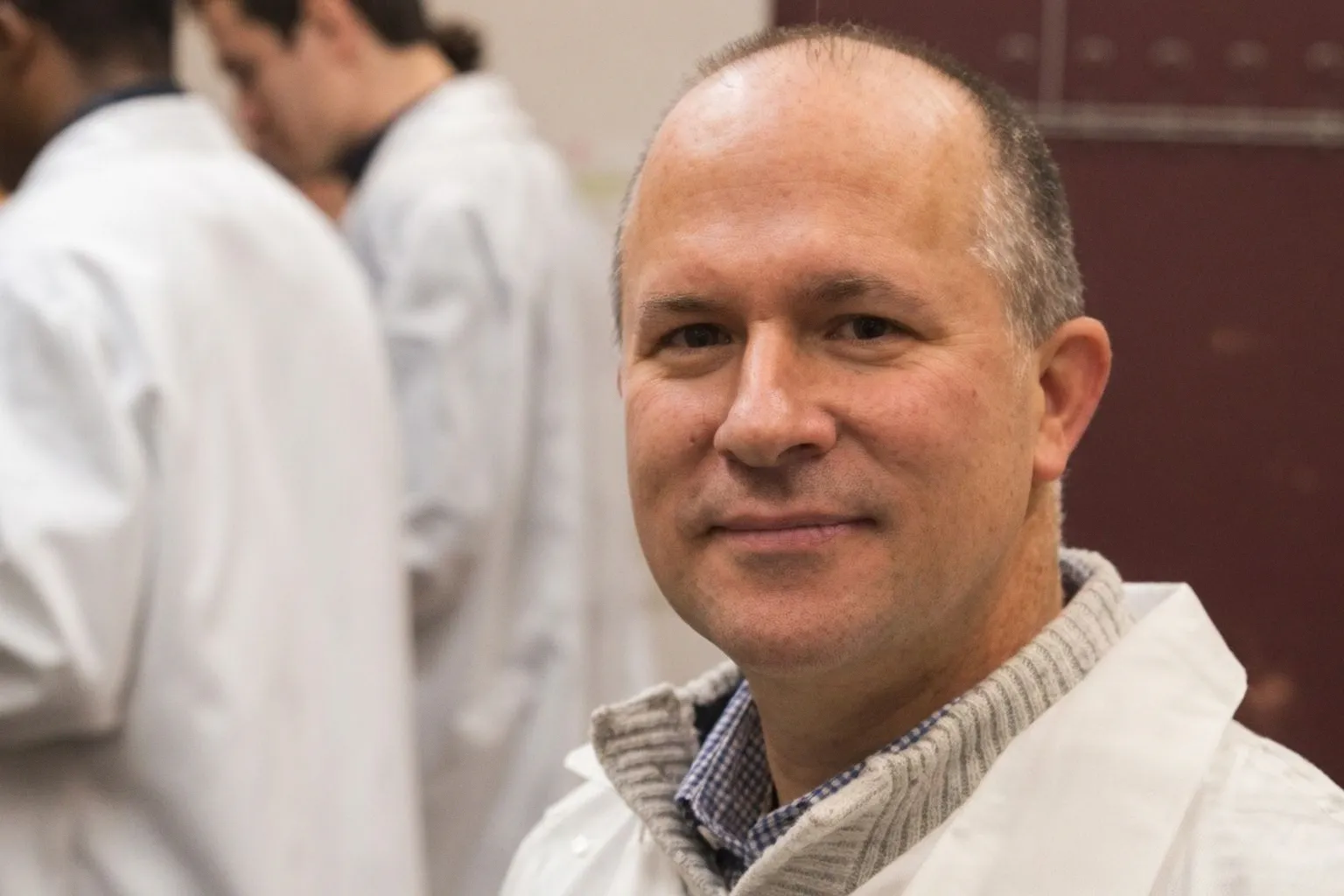
University of Virginia researchers have secured the first $4 million tranche of a National Institutes of Health award valued at up to $12 million to build MOSAIC, an open-source computational platform modeling sex-specific drug metabolism across interacting organ systems. The project, designated 1OT2OD042817 under the NIH Computational Modeling of Hormone Homeostasis Initiative, will simulate how gut microbiota modulate estrogen signaling and downstream metabolic outcomes in women.
Mechanism and Design
MOSAIC — Modeling of Sex-specific metabolism Across Interacting Communities — integrates the female gut, liver, and reproductive axis into a unified digital framework. Lead investigator Jason Papin, PhD, professor of biomedical engineering at UVA, reports that the model will use AI-assisted data integration to predict drug efficacy, adverse event profiles, and sex-stratified pharmacokinetics. Variable inputs include circulating sex hormones, microbial community composition, and hepatic enzyme activity.
Co-leaders on the protocol are Shayn Peirce-Cottler, PhD; Isabelle Derre, PhD; Monique Vaughan, MD; and Glynis Kolling, PhD. The team plans to organize large datasets, combine disparate biological data types, and construct digital models that reflect differential drug processing between male and female physiology. UVA researchers indicate the goal is a tool capable of generating personalized predictions that account for complex hormone dynamics.
Clinical Validation Targets
The platform will be benchmarked against two conditions with female-skewed prevalence: bacterial vaginosis, estimated to affect 29% of US women aged 15-44, and metabolic dysfunction-associated steatotic liver disease (MASLD). Recent evidence indicates that polycystic ovary syndrome and menopause can nearly double a woman's odds of developing MASLD. According to UVA, MOSAIC aims to generate the first computational model capable of predicting drug response, side effect probability, and targeted therapy design across these populations.
Operational Context
The initiative is co-sponsored by the NIH Office of Research on Women's Health and the Division of Program Coordination, Planning, and Strategic Initiatives. The work aligns with UVA's recently launched Paul and Diane Manning Institute of Biotechnology, established to accelerate translation of laboratory discoveries into therapeutics. We observe that MOSAIC's open-source release model is positioned to broaden access to sex-specific hormonal biology data for downstream clinical and research applications.
Trackable Variables
- Total award ceiling: $12 million
- Initial disbursement: $4 million
- Pilot conditions: bacterial vaginosis, MASLD
- Output format: open-source computational tool
- Grant identifier: 1OT2OD042817
- Institutional alignment: UVA Paul and Diane Manning Institute of Biotechnology