Serotonin production: key factors driving gut-brain balance
Serotonin production is often reduced to a simple wellness message: most serotonin is made in the gut, so a healthier microbiome should automatically mean a better mood.
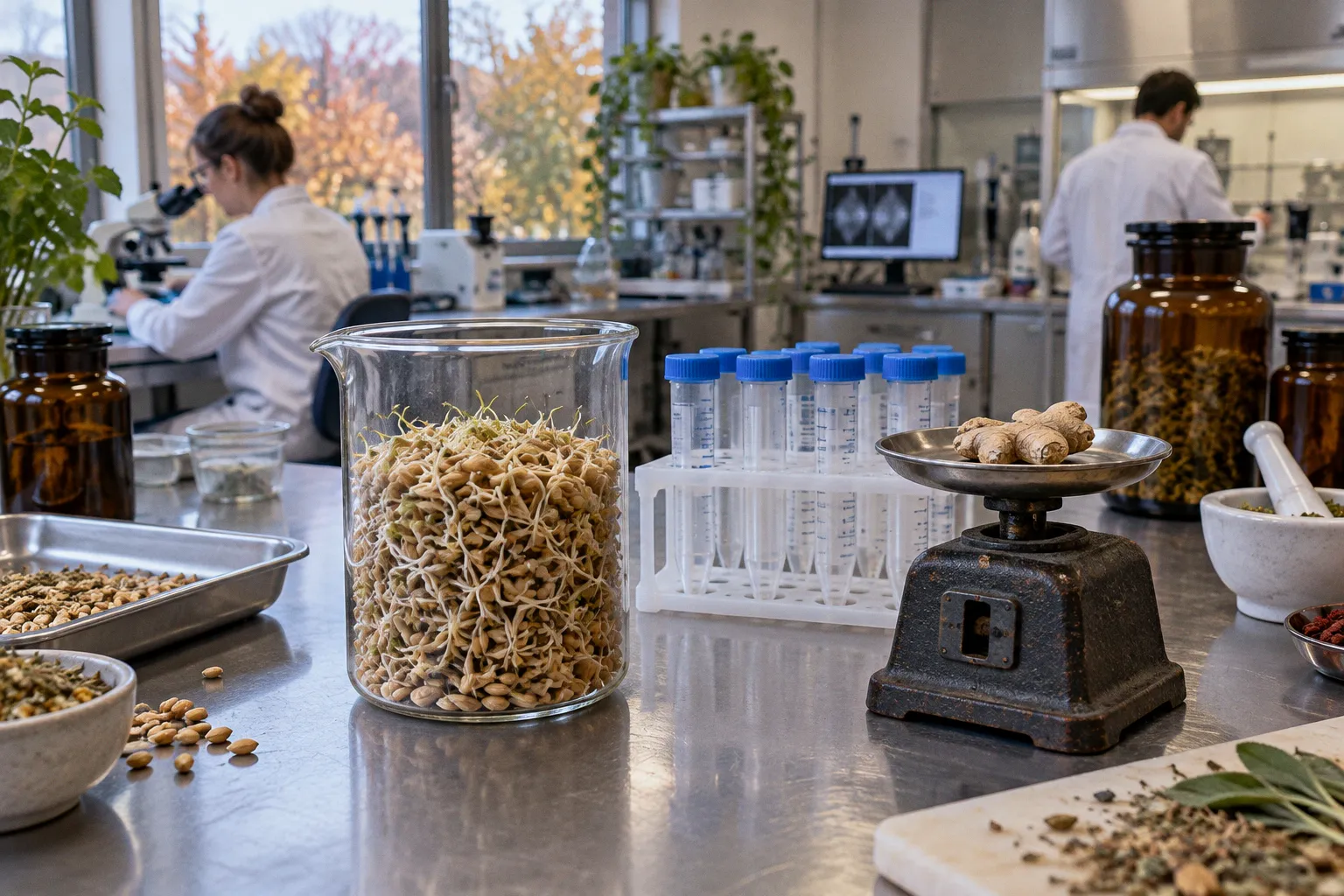
The biology is more useful than that slogan—and more precise.
Approximately 90% to 95% of the body’s total serotonin is synthesized in the gastrointestinal tract, primarily by enterochromaffin cells in the gut lining. But this peripheral serotonin does not cross the blood-brain barrier to directly raise serotonin levels in the brain. Central serotonin is made locally by neurons, using tryptophan as its starting material.
That distinction changes how we think about the gut-brain axis. Digestion, microbial metabolites, immune activity, stress, carbohydrate intake, and the availability of dietary tryptophan can all shape serotonergic pathways. They do not operate as a single mood switch. They form a network of signals that can either support or strain the body’s capacity to regulate mood, sleep, digestion, and stress response.
I often find this framework more practical than asking which food contains the most serotonin. The better question is how your daily rhythm supports the systems that make tryptophan available, process it appropriately, and communicate with the nervous system.
The gut produces most serotonin, but not the serotonin your brain uses directly
The gastrointestinal tract is not simply a passive tube moving food from one end to the other. It is an active endocrine and immune organ with its own signaling network. Enterochromaffin, or EC, cells are specialized cells in the intestinal lining that produce serotonin in response to signals connected with food, mechanical movement, and the gut environment.
In these cells, the first major step in serotonin production is controlled by tryptophan hydroxylase 1, usually abbreviated as TPH1. This enzyme converts tryptophan into a serotonin precursor in the periphery. The process contributes to intestinal movement, secretion, vascular signaling, and communication between the gut and the immune system.
Brain serotonin follows a separate route. In central neurons, the key enzyme is tryptophan hydroxylase 2, or TPH2. The brain must synthesize its own serotonin because serotonin made in the gut cannot pass through the blood-brain barrier.
This is why the phrase gut-brain serotonin pathways is more accurate than the idea that gut serotonin simply travels upward into the brain. The connection is indirect and involves several overlapping mechanisms:
- The gut microbiota can influence how much tryptophan remains available for different metabolic pathways.
- Microbial metabolites, including short-chain fatty acids, can affect intestinal cell signaling.
- Immune activation can shift tryptophan toward the kynurenine pathway.
- Digestion and meal composition influence the transport of tryptophan into the brain.
- Vagal, endocrine, and inflammatory signals carry information between the gastrointestinal tract and the central nervous system.
The result is a system of communication rather than a one-way supply line.
Most gut serotonin supports local intestinal function; the brain makes its own serotonin, while the gut helps shape the conditions in which central serotonin regulation occurs.
That distinction also prevents a common mistake: assuming that increasing gut serotonin is always beneficial. Serotonin has different effects in different tissues, and the body regulates its production according to context. In the gut, serotonin is involved in motility and secretion. In the brain, it participates in mood, sleep, appetite, pain processing, and stress regulation. A whole-body approach looks at both systems without treating them as interchangeable.
Tryptophan is the starting material, but availability is the real issue
Tryptophan is an essential amino acid. The body cannot manufacture it, so it must come from food. It is used to create proteins and several biologically active compounds, including serotonin and melatonin. However, eating a tryptophan-containing food does not guarantee that more tryptophan will reach the brain or become serotonin.
The body is constantly deciding where tryptophan is needed. Under ordinary conditions, only a small fraction—roughly 1% to 2%—is converted into serotonin in the gut. A much larger share of dietary tryptophan, approximately 95%, is processed through the kynurenine pathway.
That pathway is not inherently harmful. It is a normal route of tryptophan metabolism and produces compounds involved in immune and nervous system function. The issue is that stress and immune activation can increase activity along this pathway, leaving less tryptophan available for serotonin synthesis.
This helps explain why a person may be eating adequately and still experience changes in mood, sleep, or stress tolerance during a period of illness, chronic psychological strain, or systemic inflammation. The question is not simply whether tryptophan is present. The question is how the body is allocating it.
Why a high-protein meal does not automatically raise brain serotonin
Tryptophan competes with other large neutral amino acids for transport across the blood-brain barrier. A high-protein meal supplies tryptophan, but it also supplies several competing amino acids. More protein therefore does not automatically mean more tryptophan entering the brain.
Carbohydrate intake adds another layer. Carbohydrates stimulate insulin release, which helps move some competing amino acids from the bloodstream into tissues. Tryptophan is affected differently because much of it travels bound to albumin. This can improve the relative availability of tryptophan for transport into the brain.
The practical interpretation is not that carbohydrates are a serotonin medicine or that protein should be restricted. Both are important parts of a balanced diet. It is more useful to consider meal composition, regularity, and individual tolerance. A meal containing a source of protein, fiber-rich carbohydrates, and nourishing fats may provide a steadier metabolic foundation than an extreme focus on one nutrient.
Dietary precursors for serotonin include foods that provide tryptophan, such as eggs, dairy foods, soy, legumes, poultry, fish, nuts, and seeds. These foods work within a broader eating pattern. They are not direct substitutes for medical treatment when someone has persistent depression, severe anxiety, or significant sleep disruption.
The kynurenine pathway connects stress, immunity, and serotonin regulation
The kynurenine pathway is one of the most important factors in understanding serotonin production factors in gut health. It acts as a major route for tryptophan metabolism and becomes particularly relevant when the immune system is activated.
Stress hormones and inflammatory signaling can influence enzymes that direct tryptophan into kynurenine metabolism. When more tryptophan is processed this way, less may remain available for serotonin synthesis. This does not mean that every stressful day causes a measurable serotonin deficiency. Human mood and nervous system function are too complex for that conclusion.
It does mean that prolonged stress can change the metabolic environment in which neurotransmitters are made. A nervous system operating under sustained pressure may also be dealing with altered sleep, appetite changes, digestive symptoms, blood sugar fluctuations, and reduced dietary variety. Each factor can reinforce the others.
I often describe this as a budget problem. Tryptophan is not an unlimited resource, and the body has several departments requesting it. During periods of immune activation or physiological stress, the balance of that budget can shift.
What this means for mood and sleep
It would be inaccurate to say that depression is caused solely by low gut serotonin or that changing the microbiome can independently resolve a mood disorder. Depression and anxiety involve multiple biological, psychological, social, and environmental factors.
The more defensible point is that gut health, immune signaling, and tryptophan metabolism may influence the background conditions that support emotional regulation. These pathways can also intersect with sleep. Poor sleep increases stress reactivity, and elevated stress can affect digestion, appetite, and inflammatory signaling. The relationship moves in both directions.
A stable routine can therefore be more useful than chasing a single mood-enhancing food. Regular meals, adequate energy intake, sufficient protein, fiber from tolerated plant foods, and consistent sleep timing help create a foundation for metabolic and nervous system regulation.
Factors that may shift tryptophan metabolism
Several influences can affect how tryptophan is used:
- Immune activation: Inflammatory signaling can increase activity through the kynurenine pathway.
- Chronic stress: Stress physiology may alter tryptophan allocation and appetite patterns.
- Low dietary variety: A narrow diet can reduce access to protein, fiber, and micronutrients that support normal metabolism.
- Digestive dysfunction: Persistent gastrointestinal symptoms may affect food intake, absorption, and microbial activity.
- Irregular meals: Long gaps followed by highly refined meals can create less stable energy patterns for some people.
- Sleep disruption: Short or inconsistent sleep can amplify stress signaling and make dietary regulation more difficult.
None of these factors should be treated as a diagnosis by itself. They are part of the context a clinician or qualified nutrition professional considers when symptoms persist.
The microbiome influences serotonin through signals, not direct brain delivery
The gut microbiome affects serotonin production and regulation through its interaction with intestinal cells, immune pathways, and microbial metabolites. One of the clearest mechanisms involves short-chain fatty acids, or SCFAs.
SCFAs—including butyrate, acetate, and propionate—are produced when gut microbes ferment certain types of dietary fiber. Butyrate and other microbial metabolites can influence the gut lining and stimulate peripheral serotonin production by increasing expression of the TPH1 enzyme in enterochromaffin cells.
This is one reason fiber matters beyond bowel regularity. It provides material for microbial fermentation and helps shape the chemical environment of the colon. The effect is not simply a matter of adding a probiotic capsule. Microbes need a suitable substrate, and the response depends on the entire dietary pattern, intestinal transit, and individual tolerance.
At the same time, the exact contribution of specific bacterial species to optimal central serotonin levels remains unresolved. It is not currently possible to identify one universal “serotonin-producing” bacterium and prescribe it as a complete solution for mood or sleep.
Feeding the microbial ecosystem
A practical approach is to build fiber gradually from foods that suit your digestion. Options may include oats, barley, beans, lentils, vegetables, berries, apples, nuts, seeds, and cooled potatoes or rice, which contain forms of resistant starch. Fermented foods such as yogurt, kefir, sauerkraut, kimchi, or miso may also fit into a varied diet, although tolerance differs and they are not mandatory.
The objective is diversity and consistency rather than a dramatic dietary reset. If a person with a sensitive gut suddenly increases legumes, bran, raw vegetables, and fermented foods all at once, the result may be bloating and discomfort rather than a sense of balance.
A more workable progression might look like this:
1. Add one fiber-rich food to a meal you already eat consistently.
2. Keep the portion modest for several days and observe digestion.
3. Increase variety gradually rather than increasing every source at once.
4. Pair higher-fiber foods with adequate fluids and regular meals.
5. Adjust the plan if symptoms are persistent, severe, or associated with unintended weight loss, bleeding, fever, or nighttime pain.
The microbiome responds to patterns over time. It does not need a perfect menu on a single day.
The most useful microbiome strategy is usually not a dramatic cleanse. It is a repeatable flow of fiber, plant diversity, adequate nourishment, and enough time for the gut to adapt.
The blood-brain barrier creates a transport challenge
Even when tryptophan is available in the bloodstream, it must still reach the brain. Tryptophan competes with other large neutral amino acids for transport across the blood-brain barrier. This is why the dietary context surrounding tryptophan matters.
The brain does not use serotonin from the gut as a direct supply. It imports tryptophan and synthesizes serotonin locally through the TPH2 pathway. The amount that reaches the brain depends on the ratio between tryptophan and competing amino acids, as well as on metabolic conditions that affect transport.
This mechanism gives carbohydrates a specific, but limited, role. Insulin released after carbohydrate intake helps clear some competing amino acids from circulation, which may improve the relative position of tryptophan for brain transport. That does not make refined sugar a reliable mood intervention. Meals rich in rapidly absorbed sugar may produce energy swings that are unhelpful for people already dealing with anxiety, poor sleep, or unstable appetite.
A balanced meal is a better foundation. For example:
| Meal component | Potential role in serotonergic support |
|---|---|
| Protein source | Provides tryptophan and other amino acids needed for tissue maintenance and metabolism |
| Fiber-rich carbohydrate | Supports microbial fermentation and may assist the relative transport of tryptophan after insulin release |
| Vegetables, fruit, herbs, or spices | Add fiber and plant compounds that increase dietary variety |
| Nourishing fats | Support satiety and help create a steadier meal pattern |
| Fluids | Support digestion and normal bowel function |
This table is not a prescription and does not predict an individual serotonin response. It describes the architecture of a meal that supports several relevant systems at once.
Why timing and rhythm matter
The circadian system also intersects with nutrition and sleep. Eating at highly irregular times, relying on stimulants late in the day, or going to bed after large uncomfortable meals can disrupt sleep even when the diet appears nutritionally adequate.
A consistent daily rhythm gives the body clearer signals. That may include eating the first meal within a predictable window, keeping caffeine earlier in the day, and allowing enough time between a substantial evening meal and bedtime for comfortable digestion.
The best timing is individual. People who work night shifts, live with reflux, manage diabetes, or have medication-related appetite changes may need a different structure. The principle is not rigid scheduling. It is reducing unnecessary metabolic noise.
Building a whole-food foundation for gut-brain balance
There is no single serotonin diet. A supportive pattern combines adequate nourishment with foods that contribute tryptophan, fermentable fiber, micronutrients, and stable energy. It also leaves room for cultural preferences, budget, appetite, and digestive tolerance.
A practical foundation can include:
- A protein source at meals, selected from foods that are tolerated and realistically available.
- A gradual variety of vegetables, fruit, legumes, whole grains, nuts, and seeds.
- Carbohydrates that provide fiber rather than relying primarily on refined sweets.
- Regular hydration and attention to bowel habits.
- Fewer long gaps between meals when those gaps lead to overeating, shakiness, or disrupted sleep.
- A consistent caffeine cut-off if caffeine contributes to anxiety or nighttime alertness.
- A sleep-wake schedule that is as stable as work and caregiving responsibilities allow.
For people exploring botanical or supplement-based support, caution is appropriate. Magnesium, adaptogens, herbal sedatives, and products marketed for serotonin balance can interact with medications or be unsuitable in pregnancy, liver disease, kidney disease, bipolar disorder, or other clinical situations. Natural does not mean universally gentle. A clinician should review supplements when symptoms are significant or medications are involved.
The same applies to severe mood symptoms. Persistent depression, panic, suicidal thoughts, major changes in sleep, or a sudden loss of appetite require professional assessment. Nutrition can support recovery, but it should not be positioned as a replacement for mental health care.
A step-by-step way to apply the science
The science becomes useful when it can be translated into a routine without turning eating into another source of stress. I recommend starting with the parts that are easiest to repeat.
1. Stabilize the meal pattern
Begin with regular meals that include protein and a fiber-rich carbohydrate. This supports energy availability and creates a consistent context for tryptophan metabolism. It is more useful than adding a single “serotonin food” to an otherwise irregular diet.
2. Increase fiber at the pace your digestion allows
Choose one additional source of beans, oats, berries, vegetables, whole grains, nuts, or seeds. Increase slowly if you are prone to bloating. The goal is to support microbial fermentation without overwhelming the gut.
3. Protect the evening rhythm
Keep caffeine away from the later part of the day if it interferes with sleep. Choose an evening meal that feels comfortable to digest and avoid using alcohol as a sleep strategy, since it can fragment sleep even when it initially causes drowsiness.
4. Look at stress and sleep together
If digestion worsens during stressful periods, do not treat the symptom as a food problem alone. A short walk, slower eating, a consistent bedtime, breathing exercises, and reduced evening stimulation may support the same gut-brain network from another direction.
5. Track patterns, not isolated reactions
For one to two weeks, note meal timing, fiber intake, bowel comfort, caffeine, sleep duration, and mood. Look for repeatable relationships rather than assigning significance to one difficult night or one episode of bloating.
6. Escalate when the pattern requires clinical support
Ongoing digestive symptoms, persistent low mood, severe anxiety, major sleep disruption, or marked changes in appetite deserve a proper evaluation. Testing and treatment should be guided by symptoms and clinical history, not by a generalized assumption that the microbiome is the sole cause.
The practical conclusion
Serotonin production in the gut is real, substantial, and biologically important. But gut serotonin is not brain serotonin, and the relationship between them is not a simple pipeline. The gut contributes through intestinal signaling, microbial metabolites, immune regulation, tryptophan allocation, and communication across the gut-brain axis.
The strongest everyday strategy is therefore foundational: eat enough, include regular protein, build fiber gradually, choose a varied whole-food pattern, protect sleep timing, and account for stress as part of metabolism rather than treating it as a separate issue.
When these habits are repeated, they give the body a more stable environment for digestion, microbial activity, and nervous system regulation. That is the realistic goal—not forcing serotonin upward, but supporting the rhythm and balance in which the body can regulate its own pathways.